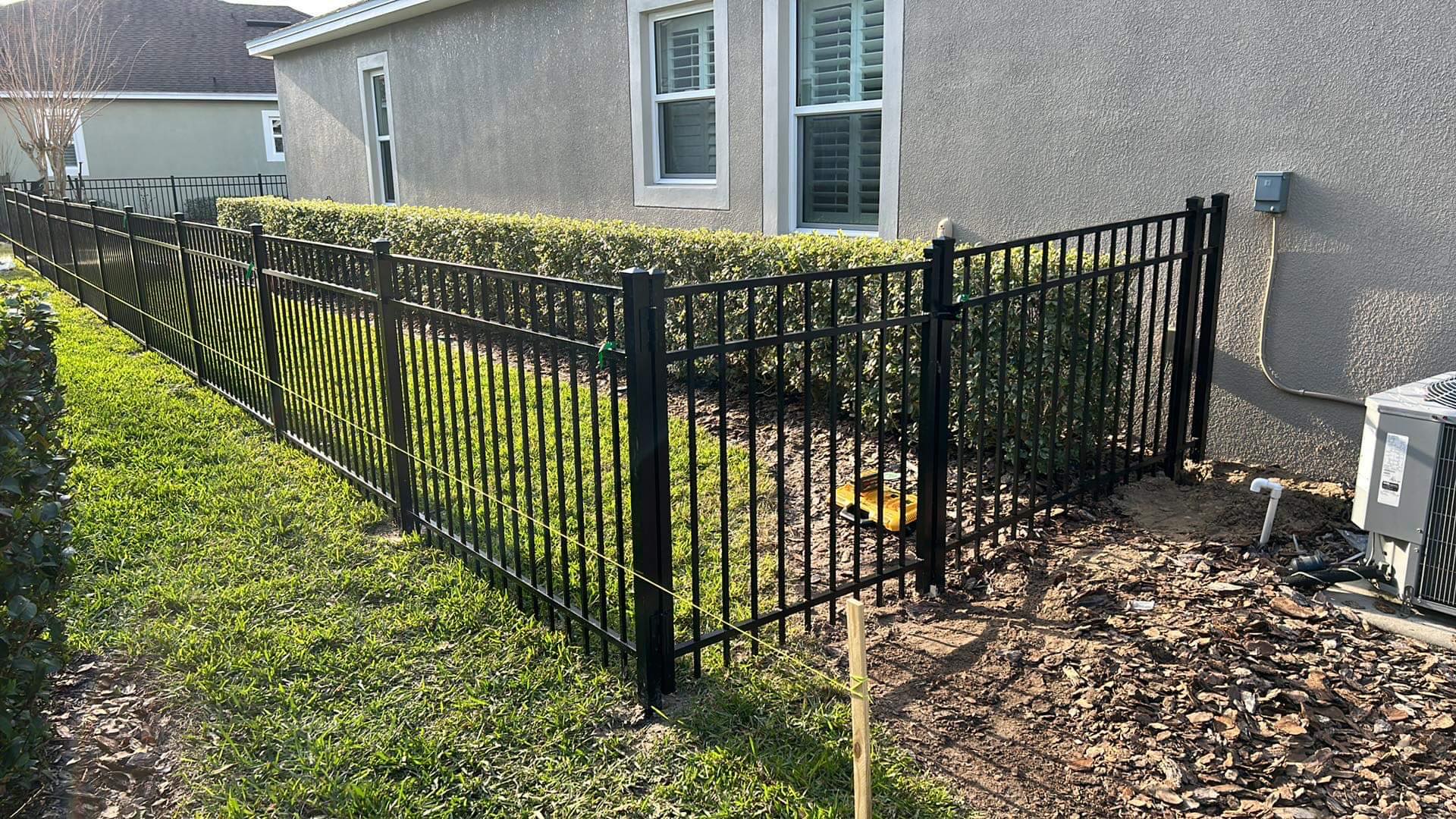
Understanding the Role of Fencing in Sustainable Landscaping Jun 10, 2026
At first glance, fencing might seem purely functional—establishing boundaries, providing privacy, and enhancing security. Yet, when thoughtfully designed and installed, fencing can contribute significantly to environmental sustainability. Selecting eco-friendly materials is one of the simplest ways to make your fencing installation more sustainable. Materials like bamboo, recycled metal, or sustainably sourced wood are not only durable and aesthetically pleasing but also produce a lower environmental impact compared to traditional options.
Beyond materials, sustainable fencing integrates harmoniously with the natural landscape. Rather than dominating or contrasting, eco-conscious fences work cohesively with surrounding habitats. For instance, using permeable designs can facilitate water flow and ensure unrestrained airflow, crucial for preserving soil integrity and supporting local flora and fauna. Furthermore, incorporating native plants around your fencing can boost local biodiversity, creating a habitat for pollinators like bees and butterflies.
For customers of Nettles Fence interested in boosting sustainability, maintenance practices prove to be just as vital as initial construction choices. Opt for natural sealants and treatments that protect your fence without introducing toxins into the environment. Regular inspections for repairs can extend the lifespan of your fence, reducing the need for resource-intensive replacements.
The positioning of your fence can also play a crucial role in environmental sustainability. Utilizing fencing to support windbreaks or to manage sunlight exposure can improve energy efficiency for adjacent buildings. By strategically reducing wind speed across your property, fences can help maintain stable indoor temperatures throughout the year, leading to reduced heating and cooling demands.
In addition, the incorporation of fencing into drainage and water management strategies can prevent soil erosion and promote water retention. For sloping landscapes, terraced fencing designs can slow water runoff, allowing it to seep into the ground, nourishing plants and replenishing groundwater reserves without causing surface erosion.
As part of a comprehensive sustainable landscaping plan, fences can even offer solutions for urban heat island effects. Reflective fence designs or the use of shading can lower temperatures in paved areas, contributing to a cooler overall landscape and enhancing comfort during warmer months.
Ultimately, approaching fencing as an integral part of a sustainable landscape means rethinking its purpose from mere division to an active contributor to ecological health. Nettles Fence can assist in crafting solutions that align with these values. By investing in sustainable fencing, homeowners and businesses not only improve their immediate environments but also play a part in larger conservation efforts, supporting the broader goals of sustainability and community resilience.
Incorporating environmentally friendly fencing into your property is a savvy decision with long-reaching benefits. With guidance from the experts at Nettles Fence, making these choices can be both straightforward and rewarding. By understanding the diverse roles fencing can play in sustainable landscaping, you pave the way for a more resilient and ecologically harmonious future. So, whether you're embarking on a new fencing project or seeking ways to upgrade an existing structure, consider how each decision reflects your commitment to sustainability and the environmental legacy you wish to leave.
/filters:no_upscale()/filters:format(webp)/media/366cfa92-a059-4a4f-874f-d57894387240.jpeg)