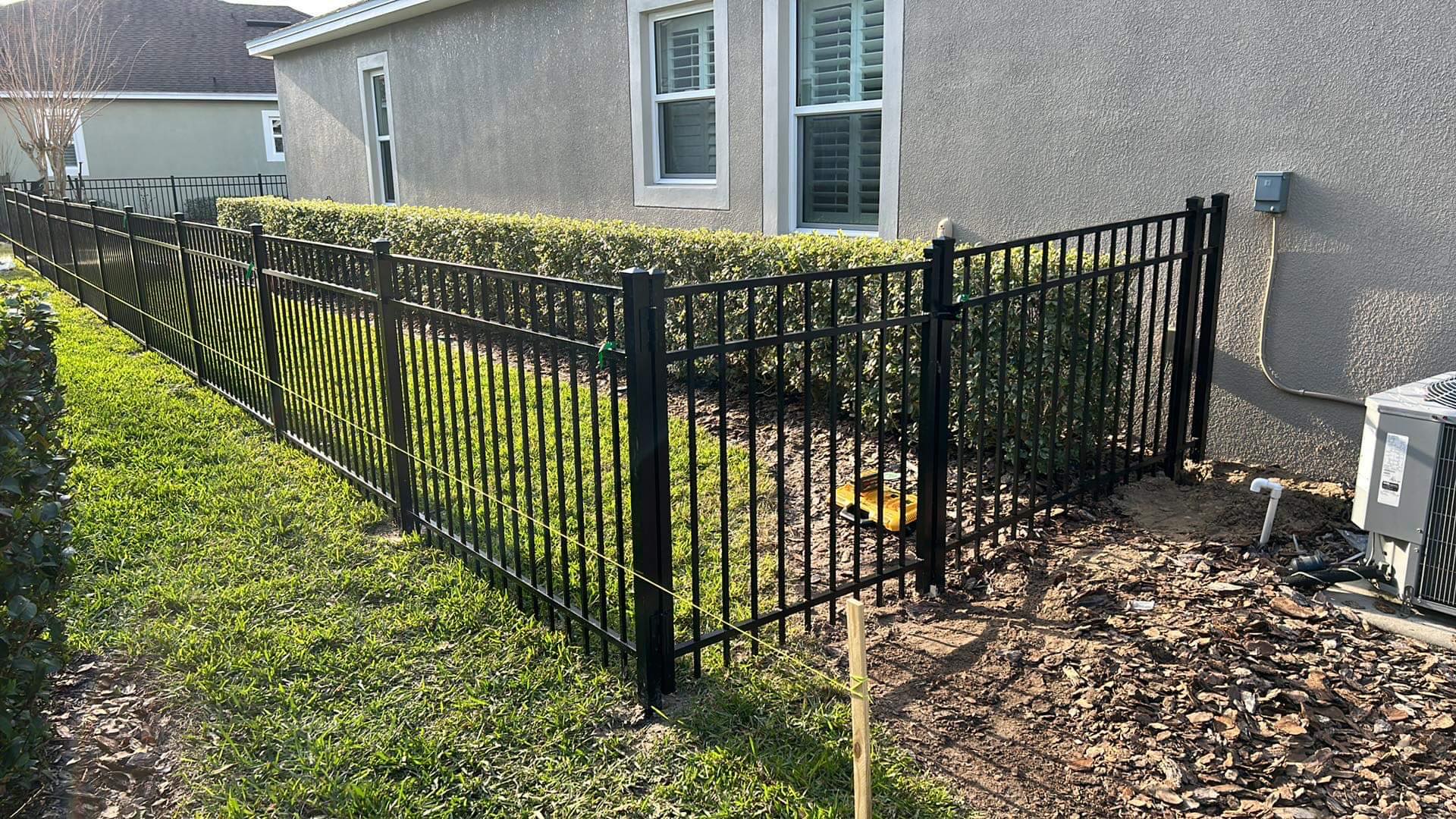
A Step-by-Step Guide to Hassle-Free Fence Maintenance with Expert Tips from Nettles Fence May 19, 2026
First and foremost, begin with regular inspections. It is crucial to routinely check your fence for any signs of damage or wear. Look for loose boards, rust on metal parts, or any leaning sections that might need reinforcement. Conducting these checks seasonally can help catch minor issues before they become bigger problems.
Cleaning your fence plays a significant role in its longevity. For a wooden fence, use a simple soap and water solution to gently scrub away dirt and mildew. Follow this routine with a rinse to prevent soap residue build-up. Vinyl fences are relatively low maintenance; however, cleaning them with a garden hose or a pressure washer on a low setting can quickly eliminate dirt and grime. Metal fences can also benefit from a mild soap solution and a soft brush. Remember to dry the metal thoroughly to prevent rust.
Once your fence is clean, protection comes into play. Wooden fences, in particular, need an additional layer of protection against the elements. Applying a sealant or stain helps in safeguarding the wood against weather-related damage and insect infestations. This task should be on your to-do list every two to three years, attentively considering the regional climate. For metal fences, ensure that any exposed metal parts are painted or treated with a rust-inhibiting primer to prevent corrosion.
Repairing minor damages promptly can extend your fence's life significantly. For instance, replacing broken boards or tightening loose screws eliminates potential hazards and maintains the fence's structural integrity. Nettles Fence recommends keeping a few spare parts of your fence material in your garage or shed for quick fixes. This preparation is especially useful after storms or heavy winds that might cause sudden damage.
Landscaping around your fence is not just for aesthetic purposes but also for its preservation. Trim back any overhanging branches that might scratch or fall onto your fence. Ensure that vines and other climbing plants do not take hold, as they can trap moisture and expedite rotting or rusting. A clear, dry area around the base of your fence also prevents the wood from coming into direct contact with excessive moisture.
In conclusion, maintaining your fence doesn’t have to be a daunting task. By following these step-by-step guidelines from Nettles Fence, you ensure that your fence remains in top condition. Regular inspections, thorough cleaning, protective treatments, prompt repairs, and mindful landscaping are all vital components of effective fence maintenance. Investing some time in these simple tasks guarantees that your fence will not only stand strong but also enhance the appeal and value of your property for years to come. Contact Nettles Fence for additional tips or professional assistance tailored to your specific fencing needs.
/filters:no_upscale()/filters:format(webp)/media/366cfa92-a059-4a4f-874f-d57894387240.jpeg)